The GEMs Origin Story
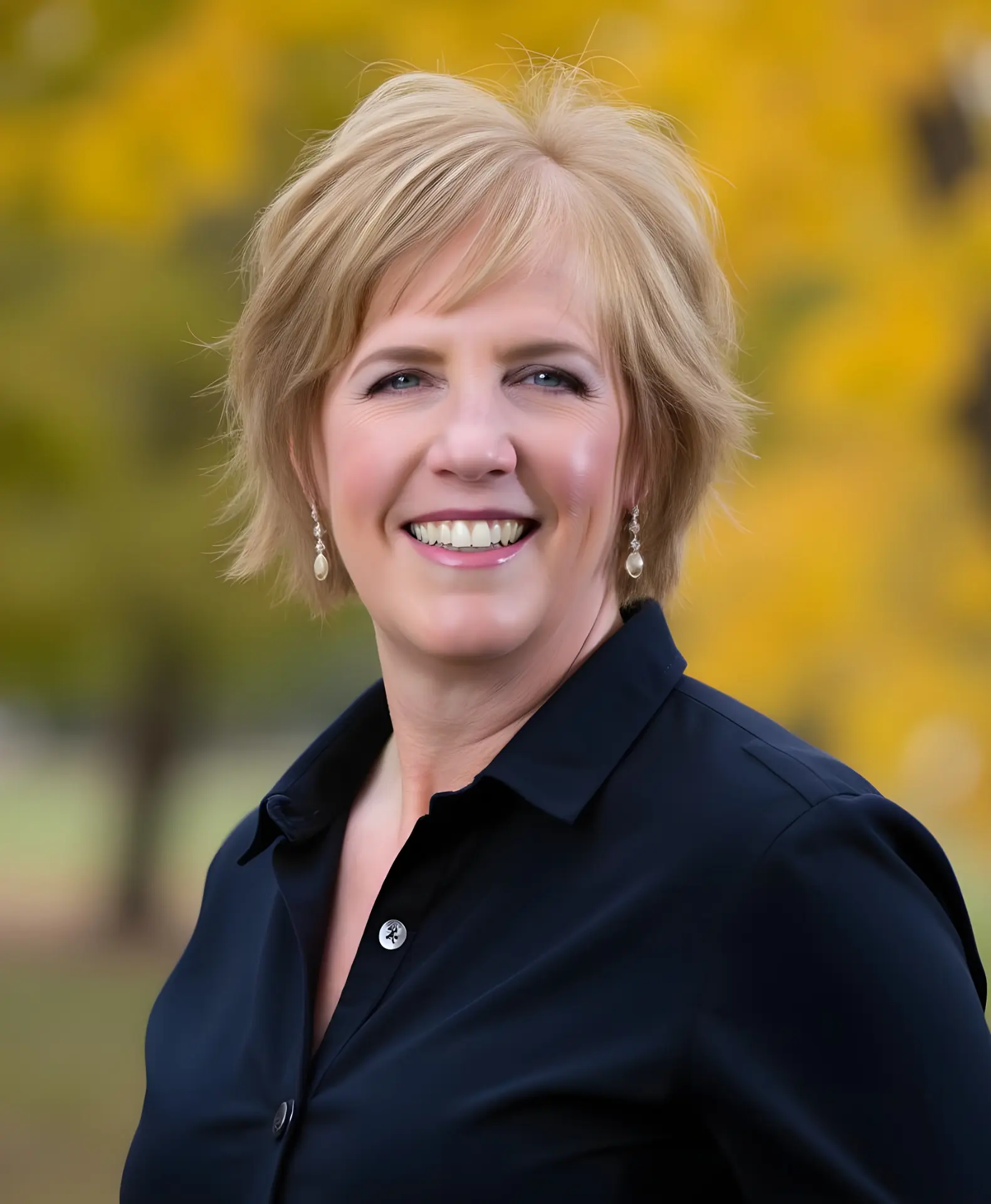
I'm Kathy Keating. I built GEMs.
I'm a CTO and technology strategist. I work with mid-size companies in hypergrowth or turnaround, coming in to strengthen the technology organization and get it back on track for whatever the business is trying to do next. My clients are usually companies in the middle of something hard: they've outgrown what used to work, the product is struggling to keep up with demand, or the technology function is tangled in ways that the founders can't unblock on their own.
Here's what I've learned over years of doing this work: a technology organization can't succeed on its own. No matter how much I sharpen the engineering team, no matter how well I restructure the product roadmap, the company can't deliver on its mission if the rest of the organization isn't operating well together. Either the vision and goals aren't clear enough to focus the work, or the organization can't absorb what technology produces and get customers to adopt it. Running a business is a team sport. Every function has to do its part, or none of it matters.
There is a point that almost every company struggles to operationalize their business so that they can capitalize on growth.
GEMs started in 2017, in a HealthTech startup I co-founded as CTO. We'd just closed an investment round. We were trying to move fast in a complex industry, building something genuinely hard, and our leadership team kept saying the same thing to each other: we need to work on how we're going to get there. OKRs gave us the goals. They gave us the key results. They left us hanging in the middle.
So I did what came naturally to me from years of building agile products without a competitor to mirror off of: I added experiments between the O and the KR. We tested our hypotheses. We learned what was actually moving the needle. One day, working through it on a whiteboard, I wrote G → E → M because OEKR wasn't sayable and we needed something simpler. That was the moment the framework had a name.
I've used GEMs in every engagement since, not because I'm a planning consultant, but because I need the whole leadership team operating together before my technology work can land. GEMs is how I get the company aligned enough that the technical strategy can actually produce results. In 2021 I wrote a post called "Get your OKRs out of my GEMs" that codified the framework. Leaders from all over the world have have read it and adopted the model on their own.
I built GEMs Planning for Claude because I couldn't find another way to put a planning practice in someone's hands that would actually live where their work lives. Slide decks die. Workbooks gather dust. A planning system has to be conversational, ever present, and available the moment you need it. It needs to be dynamic.
If you want to see more of how I think, my writing on technology strategy, planning, and what actually works for growing companies lives at kathkeating.com →